


The Violence Against Women Act (VAWA) is a federal law designed to protect immigrants who have suffered abuse by a U.S. citizen or lawful permanent resident. VAWA allows eligible survivors to apply for immigration status on their own, without relying on an abusive spouse, parent, or child.
Many individuals find themselves in situations where they are subjected to different forms of abuse. Understanding the implications of VAWA is essential, as it can empower them to take action.
For instance, consider the case of a woman named Maria, who faced emotional and financial abuse from her husband. After learning about VAWA, she was able to seek help independently, allowing her to escape her harmful situation and start anew without her husband’s consent.
This update signifies a significant shift in how VAWA cases will be assessed. For example, survivors must now provide comprehensive evidence of their abuse, which might include documentation such as medical records or witness statements.
This requirement aims to ensure that all claims are substantiated, thereby strengthening the legal framework surrounding the act.
On December 22, 2025, U.S. Citizenship and Immigration Services (USCIS) issued an important update to its VAWA policy guidance. The new rules apply immediately to all new and pending VAWA cases and place greater emphasis on clear, credible evidence. https://cruise.law/contact/
With the updated policies, it’s crucial for survivors to not only seek legal representation but also to gather as much evidence as possible. This could involve creating a detailed timeline of events, collecting text messages that illustrate the abuse, or documenting instances of control and intimidation.
Having competent legal representation is important now more than ever.
It’s important to note that VAWA’s protections extend to various groups beyond just women. For instance, men who are victims of domestic abuse can also file for relief under VAWA, as can the children and parents of abusers. This inclusive approach recognizes that abuse can affect anyone, regardless of gender.
What Is VAWA and Who Can Apply?
VAWA is not limited to women. It can protect:
- Abused spouses (male or female)
- Children under 21 abused by a parent
- Parents abused by a U.S. citizen child over 21
You do not need your abuser’s permission or involvement to apply. Accordingly, you may still qualify even if you are divorced, separated, or currently in removal proceedings, as long as specific requirements are met.
The process of applying for VAWA relief can be daunting, especially for those already facing numerous challenges in their lives. For instance, individuals may experience feelings of guilt or shame, which can be exacerbated by the trauma of abuse.
Mental health resources, support groups, and community organizations can provide significant assistance during this process, helping individuals to regain their strength and confidence.
What USCIS Changed in 2025
The updated emphasis on evidence is evident in real-life examples where applicants successfully obtained status through thorough documentation.
For instance, a survivor who presented photographs of injuries alongside corroborating witness statements was able to demonstrate the severity of her situation compellingly.
USCIS clarified that officers will closely review:
- Proof of the relationship to the abuser
- Evidence of abuse, including emotional, financial, or psychological harm
- Proof you lived with the abuser during the relationship
- Good moral character for the past three years
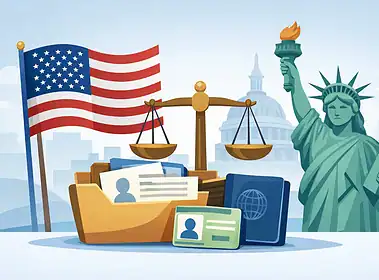
While police reports are helpful, they are not required. USCIS may consider a wide range of evidence, including personal statements, medical or counseling records, photos, messages, affidavits from witnesses, and other reliable documentation.
The agency also confirmed that these stricter standards apply even to cases already pending, meaning some applicants may need to submit additional evidence.
Key Benefits of VAWA
Legal representation plays an essential role in navigating the complexities of VAWA applications. Attorneys well-versed in immigration law can assist clients in presenting their cases effectively, ensuring that all necessary documentation is organized and submitted correctly.
For example, a well-prepared attorney might help piece together a survivor’s history, turning raw experiences into a compelling narrative that highlights the abuse.
VAWA offers important protections, including:
Additionally, VAWA allows survivors to apply for work permits, which is crucial for maintaining financial independence. Having the ability to work empowers survivors to support themselves and their families without relying on their abuser.
For example, this provision has helped countless individuals transition to stable employment and secure safe housing after leaving abusive situations.
- Independence from an abusive family member
- The ability to apply for a work permit
- A potential path to a green card
- Protection and inclusion for eligible children
- Confidentiality to keep the abuser from being notified
Why Preparation Matters More Than Ever
With USCIS now applying closer scrutiny, strong documentation is critical. Well-organized evidence can reduce delays, prevent denials, and improve the chances of approval. Every case is different, and even survivors with limited documents may still qualify with the right legal strategy.
Final Note
VAWA exists to help immigrants escape abuse and regain control of their lives. Recent policy changes make preparation more important—but they do not eliminate protection for those who qualify.
Ultimately, preparation is not just about gathering documents; it’s about preparing emotionally and mentally for the journey ahead. Survivors should be reminded that their experiences are valid and that seeking help is a sign of strength.
Support networks, whether through friends, family, or community organizations, can provide essential encouragement during this challenging time.
In summary, the recent updates to VAWA represent both a challenge and an opportunity for survivors of abuse. While the heightened scrutiny may seem daunting, it also reinforces the value of thorough preparation and the importance of legal support.
Survivors must remember that the law is designed to protect them, and understanding their rights and the resources available to them can make all the difference in their journey to safety and empowerment.
For more legal informative content like this, please visit our website at https://blog.cruise.law or our content-only blog at https://www.tyrese.esq, where content on a wide range of issues is posted daily. Follow Attorney Cruise on Instagram @attorney.cruise or the law firm’s Instagram Account @cruiselawgroup.
Disclaimer: This post is for informational purposes only and does not constitute legal advice. Laws change, and outcomes depend on individual facts. Consult a qualified attorney for guidance specific to your situation.
Cruise Law Group is a Florida-based Law Firm, and any posts on criminal defense matters apply SOLELY in Florida. The Firm is located in Orlando, Florida, and can be reached via EMAIL or CALL.
CLG: +14076748822